TL;DR. Teen digital safety in 2026 faces seven main risks: cyberbullying, grooming, sextortion, non-consensual sexting, phishing, doxing, and exposure to harmful content. The strategy that works best combines tech tools with regular family conversation. Hidden surveillance is counterproductive; consensual accompaniment and dialogue open real paths to protection. The most important thing: that your teen feels they can talk to you if something goes wrong.
Adolescence is a transition stage toward autonomy. Minors begin to have their own social, emotional, and sexual life, much of it mediated by devices. Three things converge and make this period particularly sensitive:
This doesn't mean all digital life is dangerous. The vast majority of adolescents spend their time online without incident. But it helps to know the risks to accompany better.
Sustained harassment through digital means. Offensive messages, exclusion from groups, sharing images without consent. Affects approximately 1 in 5 adolescents according to recent studies. Documented impact on anxiety, depression, and suicidal ideation.
Process by which an adult gains a minor's trust online for sexual purposes. Deliberately slow: weeks or months. Most-used platforms are open social media, video games, and messaging apps.
Threat to spread the minor's intimate sexual content in exchange for money or more material. Growing fast especially among boys ages 13-16. Can escalate from first contact to threat in less than 24 hours.
Sexting between peers can be consensual. The problem appears when an intimate image is shared without consent. For minors, it also crosses legal limits: in many countries it constitutes production and distribution of abuse material even if self-generated.
Deception attempt where someone impersonates a trusted entity to obtain data or money. Adolescents are frequent targets because they have less experience distinguishing legitimate messages from deceptive ones.
Malicious publication of personal and private information online to expose or intimidate. Common in disputes within online communities (gaming, social media). Consequences can include in-person harassment.
Content about self-harm, extreme diets, extremist ideologies, violence. Recommendation algorithms on platforms like TikTok or YouTube can lead from an innocent interest to harmful content in a few steps.
Step 1: Be support, not judge. The most important thing in the first hours is that the minor feels they can trust you.
Step 2: Document. Screenshots of messages, URLs, usernames involved. Important even if the platform later removes the original content.
Step 3: Report to the platform. Almost all have reporting mechanisms. For sextortion or grooming, report to local police as well.
Step 4: Block without confronting. Blocking is the protective action; confronting the aggressor is the job of the adult or professional, not the minor.
Step 5: Seek professional support. Especially if there's sustained emotional impact. Scars from cyberbullying or sextortion can persist long after the incident.
Technology tools (parental control, monitoring, accompaniment) are useful but insufficient alone. The most effective protection combines:
In most countries, parents have the right to supervise the digital life of minors under parental authority. This includes checking devices, using control and monitoring tools.
However, minors also have rights: the UN Convention on the Rights of the Child (1989) simultaneously establishes the right to privacy (Article 16) and the right to protection (Article 19). The balance between both rights defines contemporary ethical debate.
In practice, tools that require the minor's consent (like Xoul) are better positioned ethically than those that operate in secret.
From when your child has contact with devices, typically from age 6. Conversations evolve with age.
It depends on accumulated trust. Regular, non-judgmental conversations open the possibility. Hidden surveillance closes it.
Document, contact the platform, consider reporting to local police based on severity, seek professional support. Most important: remain emotional support for the minor.
No. Tools give information; conversations build connection. You need both.
If they discover it without having agreed, probably yes. If you agree together and they understand why, resistance is lower. Accompaniment with consent is most aligned with this dynamic.
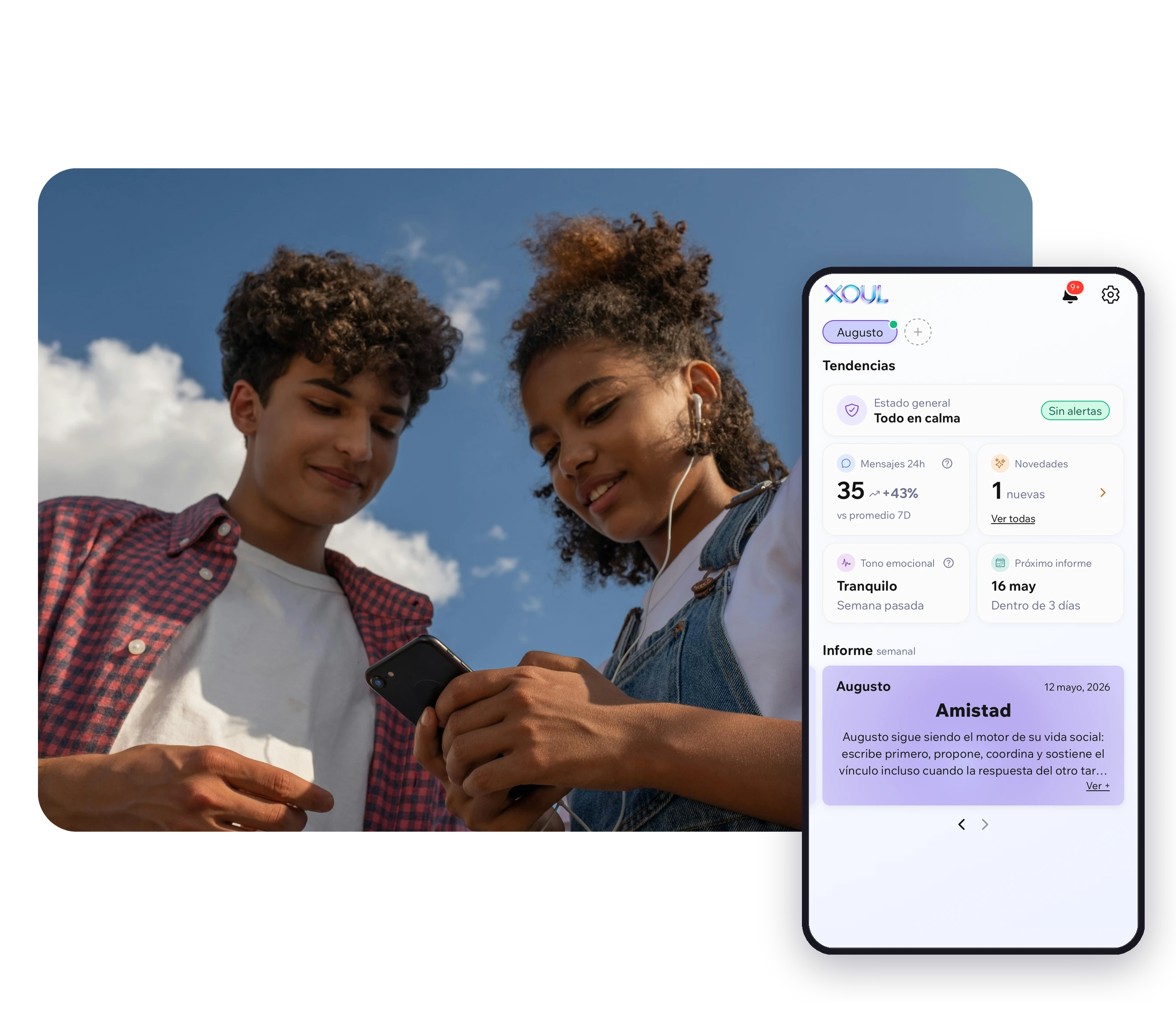
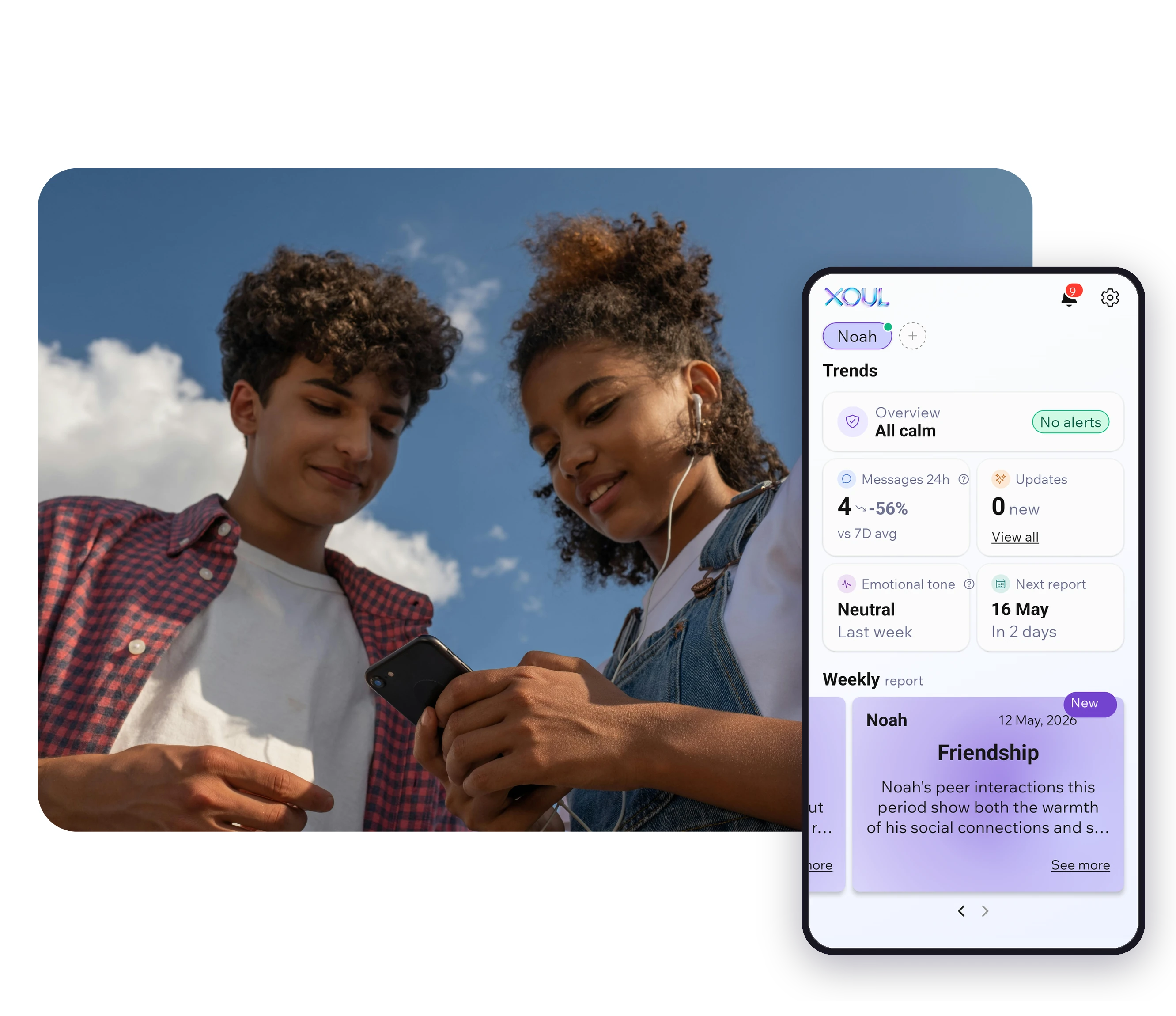
If you want to start accompanying your child's WhatsApp digital life without invading their privacy, Xoul offers the first report free, no credit card required, delivered in 10 minutes. Try Xoul free →
XOUL gives you private reports with risks, emotions and important moments, always from a respectful approach.