Many families worry about how much time their children spend in front of screens, while at the same time checking their phones during dinner, replying to messages while helping with homework, or losing the thread of a conversation because of a notification. Children observe everything the adults in their lives do, and from those examples they build their own ways of relating to technology.
That said, using your phone in front of your children isn't, in itself, a problem. Adult life largely operates through the phone: for work, for communication, for getting organized. The question isn't whether technology is used, but how it's used and what place it takes in shared family moments.
What is technoference?
By definition, technoference is the interruption or interference of technology in an interaction with others or in shared time. In parenting, it refers to those situations in which the phone or another device gets in the middle of a conversation, an activity, or a moment between parents and children.
Put more simply, it's not just about using technology, but about what happens when the screen starts to take up space that interrupts connection. It can happen during a meal, during playtime, or in an everyday conversation.
Thinking about this concept can help us look more closely at what role the phone plays in family life. When these interruptions become frequent, there may be less space for conversation, for noticing what the other person is feeling, and for being available during important moments. And because children learn by observing the adults around them, that way of relating to technology is also passed on.
Questions for self-reflection
Observing your own phone use can help you identify which moments you want to protect more carefully in family life:
There are no right or wrong answers. Just information that can help us become more aware.
Small ideas that can make a difference
It's not about doing it perfectly, but about making a few adjustments that help protect shared moments. Some concrete actions that can model healthier digital habits at home:
★ XOUL: a tool to open conversations about the digital world
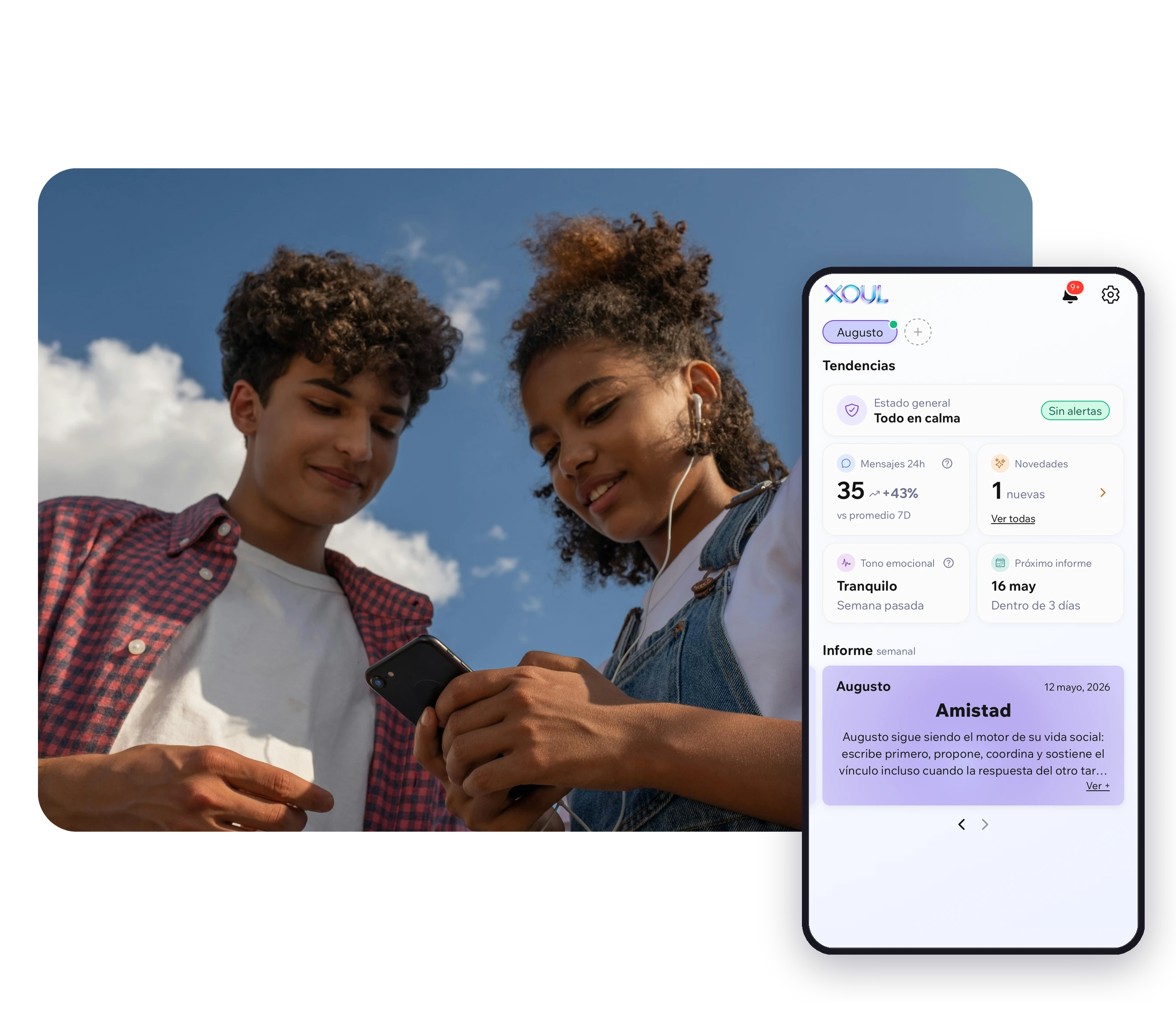
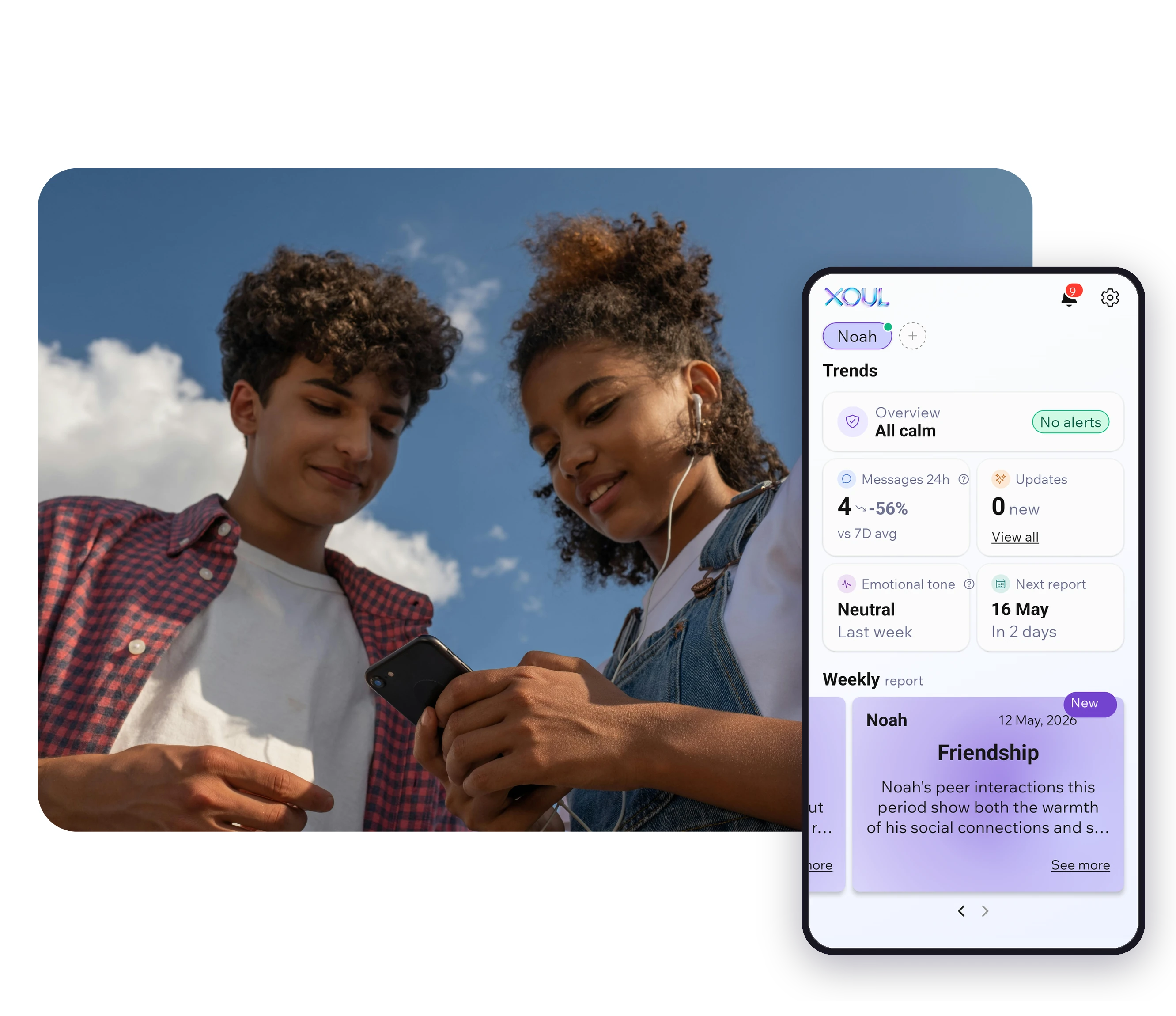
XOUL sends you reports and updates about your child's digital behavior on WhatsApp, safely and while protecting their privacy. It can be a way to access information that often isn't visible in day-to-day life, and from there, open up questions and conversations as a family.
More than giving closed answers, XOUL aims to support reflection: not only on your child's digital habits, but on those of the whole family.
XOUL gives you private reports with risks, emotions and important moments, always from a respectful approach.