In many families, conversations about screens come up in tense moments: when it's time to turn off a device, finish a video game, or put down the phone. Sometimes these arguments arise simply because expectations aren't clear or change from one day to the next.
One strategy some families find helpful is talking through and setting family agreements about technology use. It's not just about establishing rules, but about involving every member in the process, which can encourage commitment and trust.
Family agreements are guidelines or norms talked through between caregivers and children or teens to organize the use of digital devices at home. Unlike imposed rules, these agreements are built together, which can make them easier to understand and integrate into the family routine.
Setting clear agreements about technology use at home can bring several benefits for the whole family:
1. Find a calm moment to talk: choose a time without rush or distractions to discuss technology use at home. When the conversation happens calmly, it tends to be easier to listen to different perspectives and think through possible agreements together.
2. Listen to how they use technology: Before defining rules, take a moment to listen to how your children use their devices. You can ask what apps they use, when they usually go online, or what they like to do there. Showing interest in these habits can help you better understand how technology fits into daily life.
3. Identify a few important areas together: Every family organizes technology use differently, but some topics tend to come up in these conversations: time of day (for example, after homework), screen-free moments like mealtimes, spaces where devices aren't used, and types of content appropriate for each age.
4. Write the agreements down: Putting the agreements in writing, on paper or in a visible digital note at home, can help everyone remember what was discussed and keep expectations clear for those living in the household.
5. Revisit the agreements over time: Digital needs change as children and teens grow. That's why it can be helpful to revisit the agreements periodically and adjust them if needed. Thinking of them as flexible agreements, rather than rigid rules, usually makes it easier to adapt them to new routines or stages.
★ XOUL: a tool to support your family's digital well-being
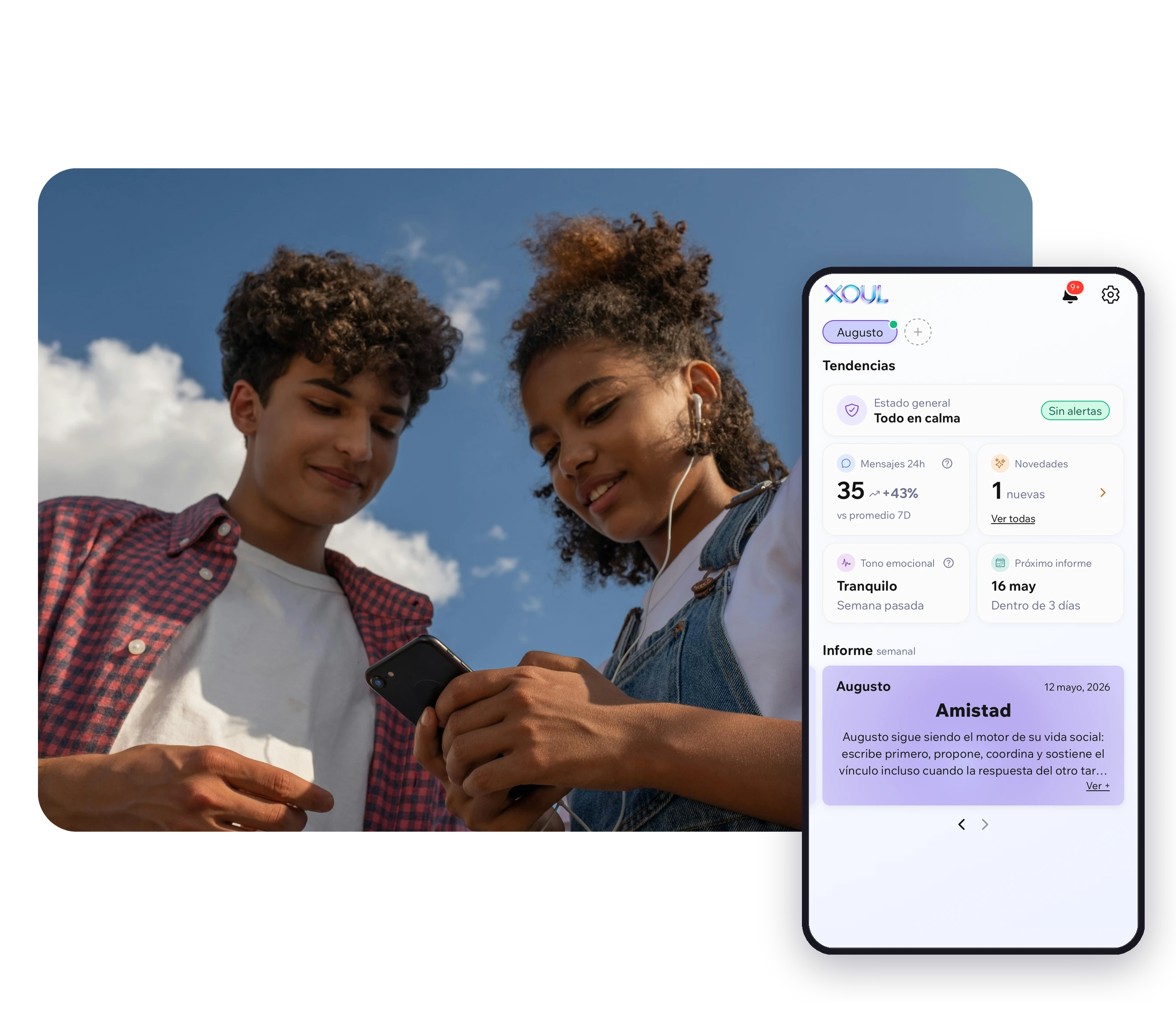
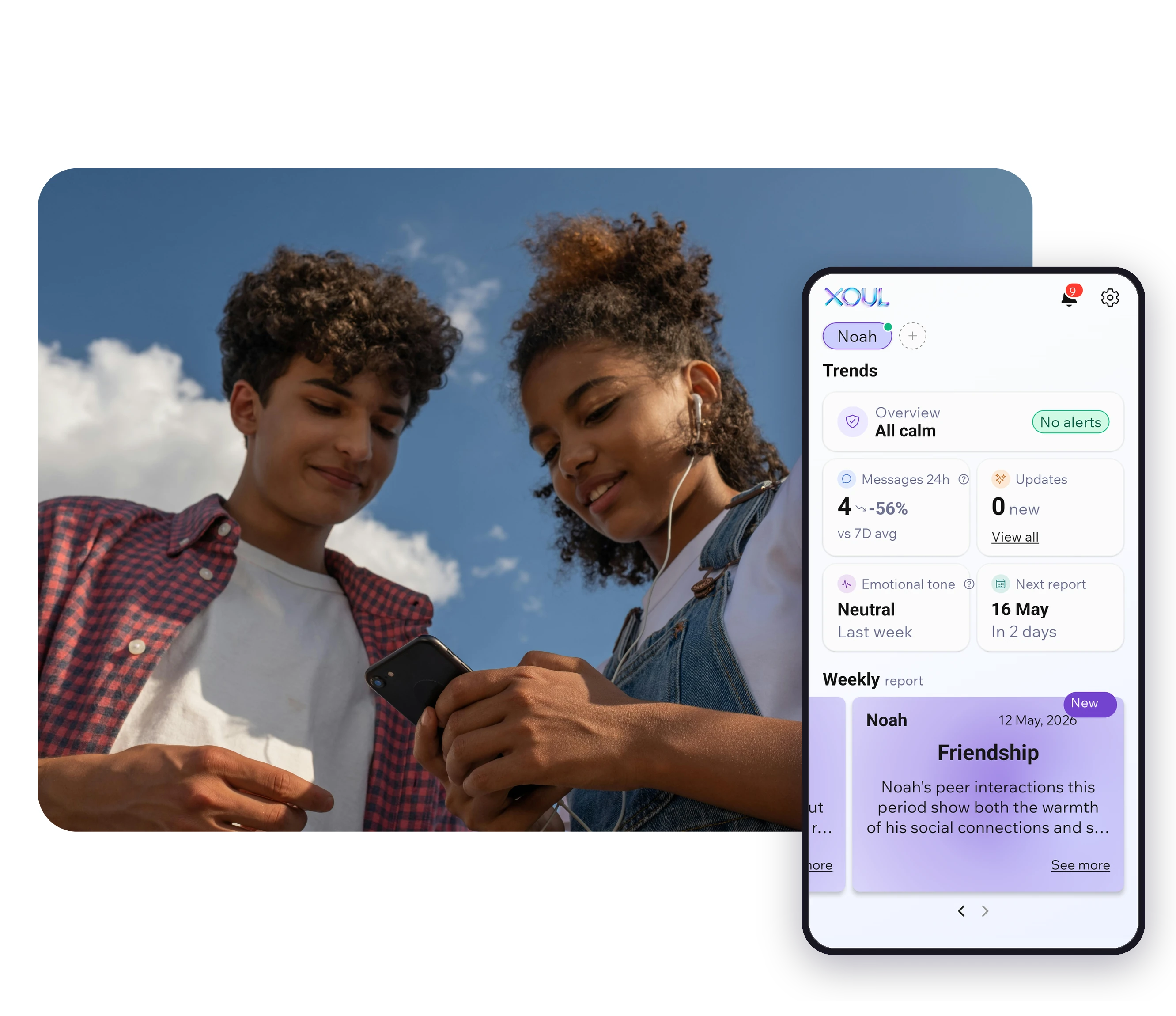
XOUL is a tool that can complement family conversations and agreements about technology use. By connecting to your child's WhatsApp, it analyzes their digital behavior safely and privately and sends you periodic reports that can help identify aspects of technology use worth talking through as a family. It can also offer signals about how digital habits are being built and when it might be a good moment to open a conversation.
XOUL gives you private reports with risks, emotions and important moments, always from a respectful approach.