Direct answer: in July 2026, a bill was filed in Colombia's Congress seeking to prohibit social media access and use for minors under 16, with mandatory age verification and penalties for non-compliant platforms. It is not law yet: it must complete its legislative process. In the meantime, families can accompany their children's digital lives with conversation, agreements, and privacy-respecting tools.
The initiative, filed on July 22, 2026 by Senator Enrique Cabrales and Representative Jesús Lorduy, rests on three main pillars:
The bill's sponsors cite risks such as cyberbullying, grooming, exposure to inappropriate content, and excessive use of digital platforms. These are legitimate, well-documented concerns; the debate is whether prohibition is the best tool to address them.
The Colombian bill joins a regulatory wave across the Spanish-speaking world:
None of these rules is in force yet, and even when they are, no law replaces the role of the family. Evidence and clinical experience agree on a few starting points:
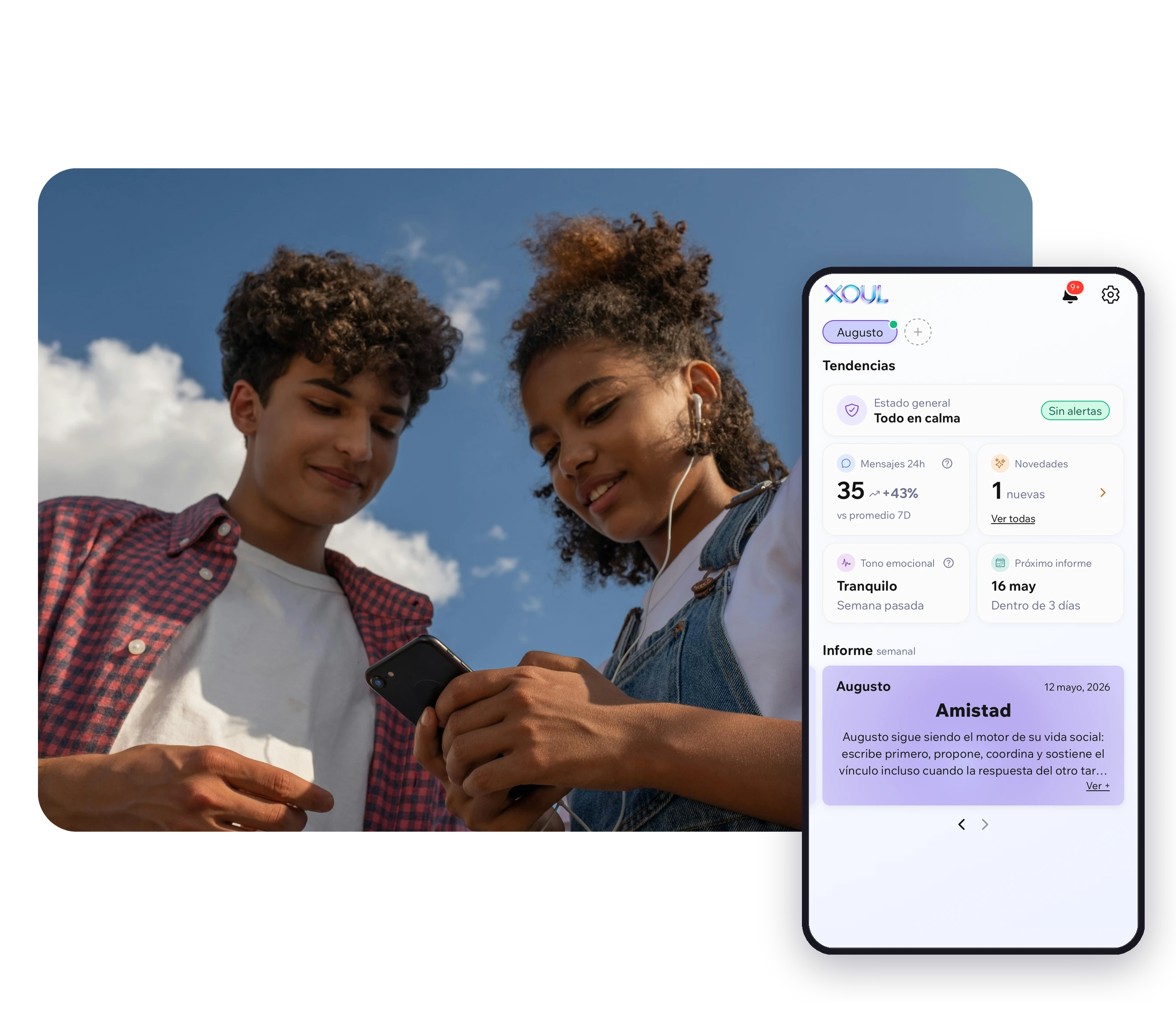
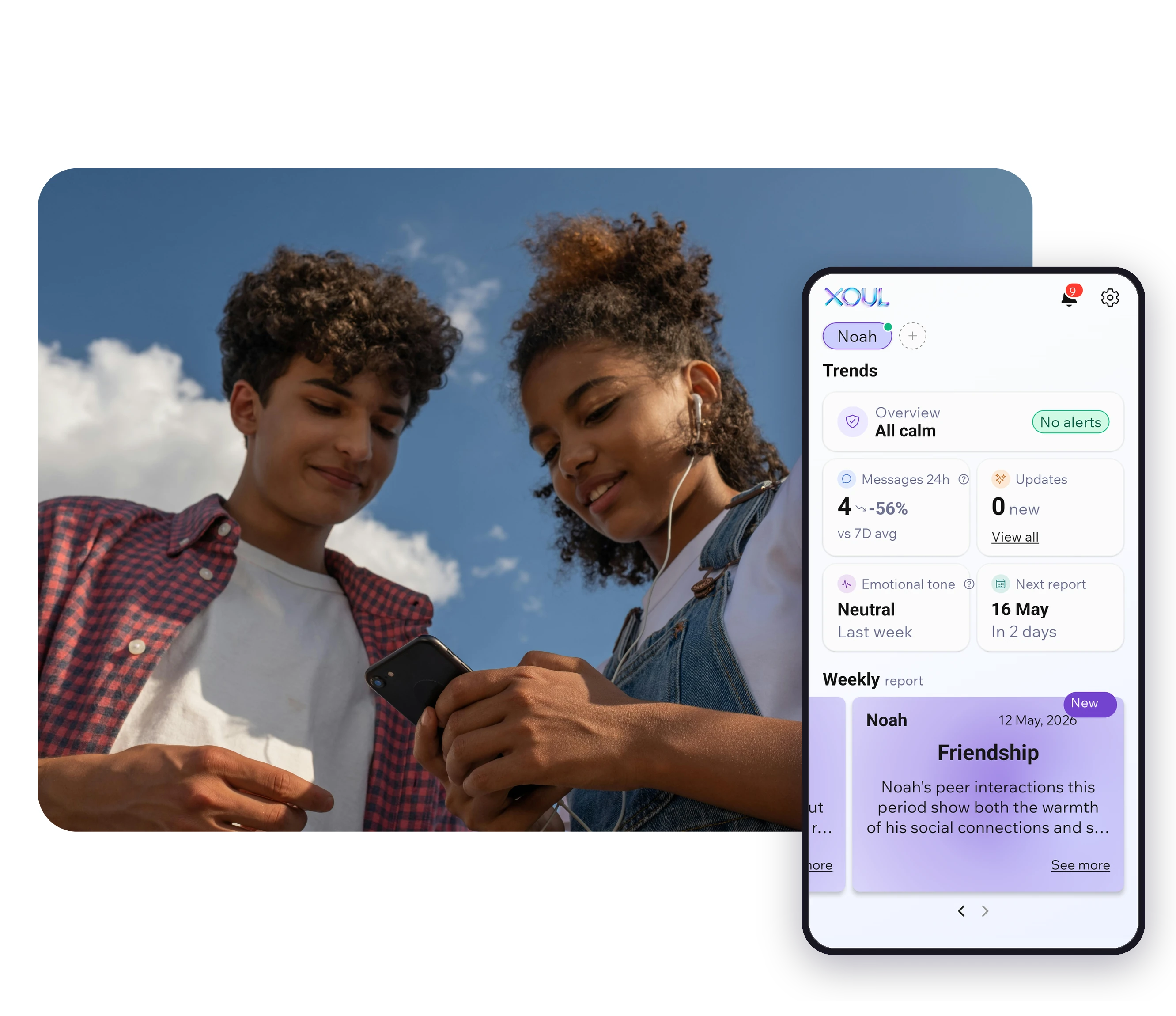
The regulatory debate usually offers two paths: prohibit or surveil. There is a third: accompany. Traditional parental control apps block and expose content; XOUL, instead, analyzes patterns with clinically supervised AI and gives parents signals about emotions, relationships, and possible risks without ever exposing conversations. If you are weighing options, see our comparison of the best apps in 2026.
No. It was filed in July 2026 and must complete its process in Congress. It may change or fail to pass.
The bill targets social media platforms. Its exact scope over messaging services will be defined during the legislative process.
Start with conversation. If you need more visibility without invading their privacy, XOUL delivers a free first report on their digital wellbeing, without exposing their messages.
XOUL gives you private reports with risks, emotions and important moments, always from a respectful approach.