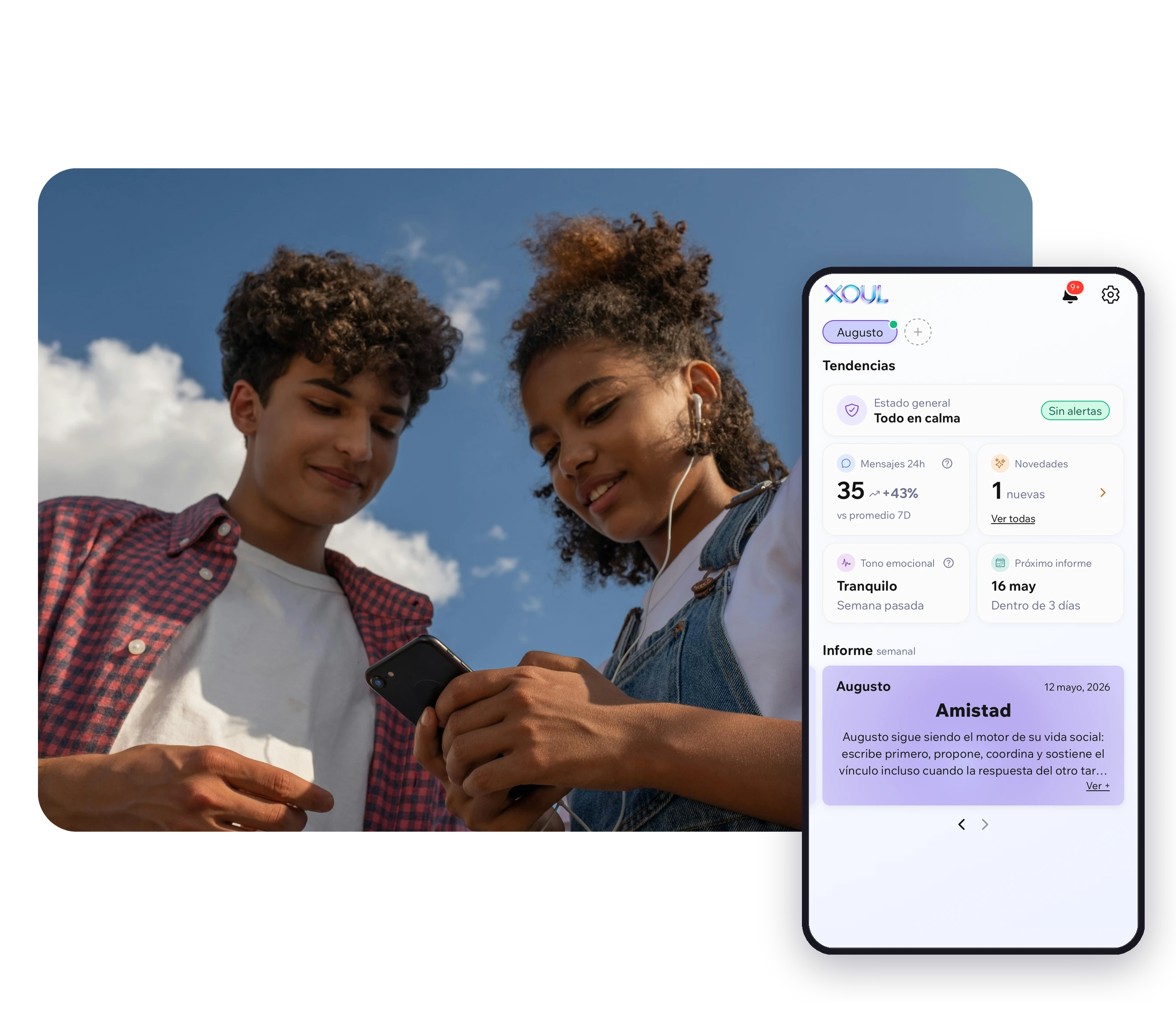
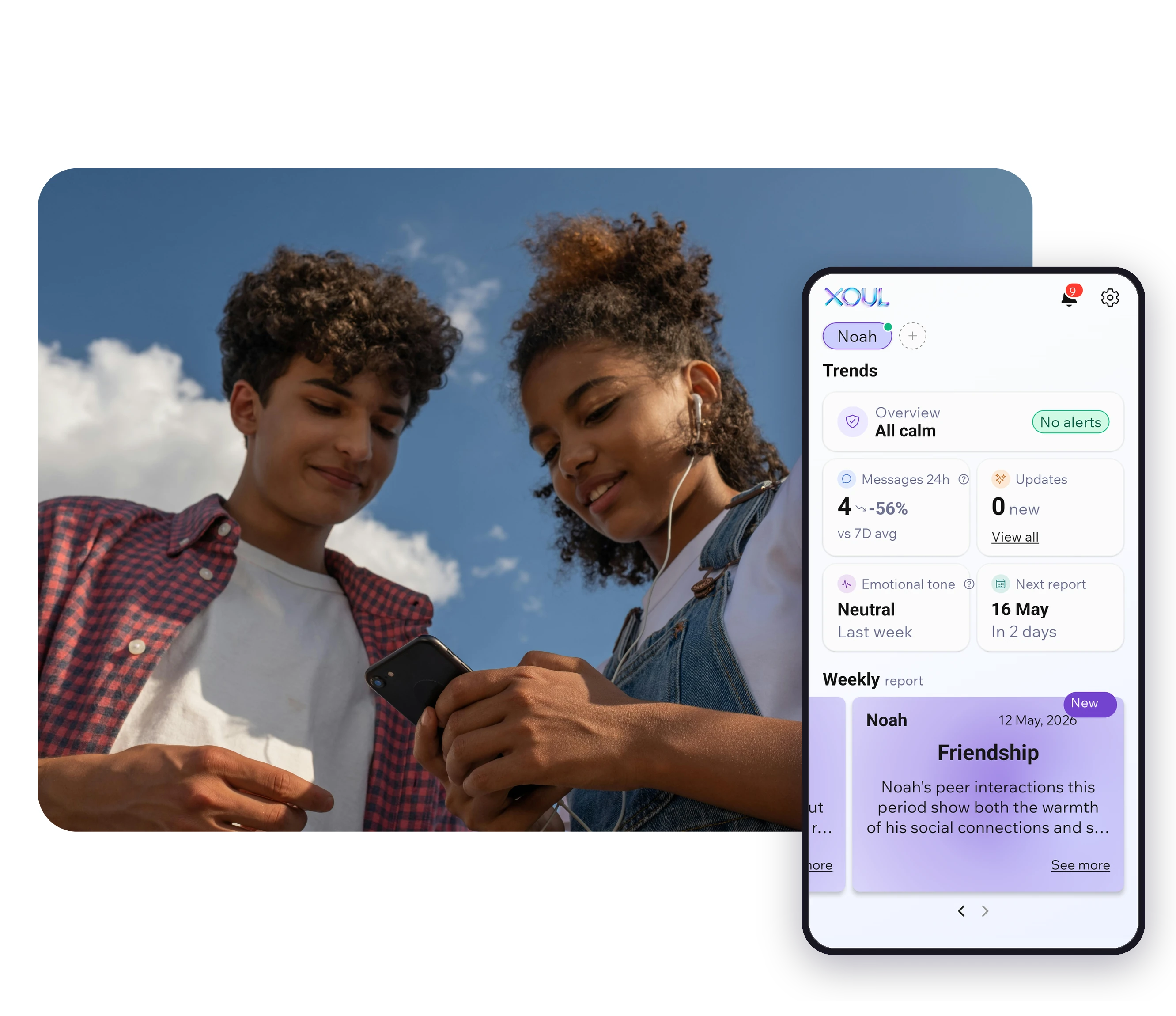
The digital world is part of children's and teens' daily lives. For many families, this opens new questions: how to accompany that world, how to care without invading, and how to stay close when an important part of their experiences happens online.
Digital safety doesn't depend only on technological tools. It also has to do with conversations, habits, and small family agreements that help children relate to their devices more consciously.
The ideas that follow can serve as a simple guide for reviewing how things are going at home and thinking about possible adjustments to better support technology use.
5 keys to better supporting technology use
Device settings
- Activate parental controls on the devices they use
- Set up content filters appropriate for their age
Review privacy settings in apps and social media - Turn off geolocation in apps that don't need it
- Make sure devices are up to date with security updates
Passwords and access
- Use strong, unique passwords for each account
- Enable two-factor authentication where possible
- Don't share passwords with anyone outside the family
- Review which apps have access to the camera and microphone
Browsing habits
- Always browse in shared spaces in the home (for younger children)
- Don't open unknown links or download files from untrusted sources
- Never share personal information (full name, address, school) on the internet
- Know how to report inappropriate content on the platforms they use
Social media and interaction with other people
- Review who can see your child's profile (friends only vs. public access).
- Talk about what personal information is safe to share online.
- Know who your child communicates with in the online environment.
- Agree that they shouldn't accept requests from people they don't know.
Education and conversation about risks
- Talk about cyberbullying and how to report it.
- Explain what grooming is and how to ask for help.
- Create a space where children can share if something online feels strange or uncomfortable.
- Keep regular conversations about what they experience in the digital environment.
XOUL: a tool to support your family's digital well-being
XOUL is a tool that can complement family conversations and agreements about technology use. By connecting to your child's WhatsApp, it analyzes their digital behavior safely and privately and sends you periodic reports that can help identify aspects of technology use worth talking through as a family. It can also offer signals about how digital habits are being built and when it might be a good moment to open a conversation.